The "Voice Clone" Epidemic
How AI Voice Cloning Scams Exploit Our Deepest Instincts and How to Fight Back


Imagine your phone rings on a Tuesday afternoon. The caller ID shows your daughter’s name. You answer, and you hear her voice. She’s panicked, crying, and terrified, saying she’s been kidnapped and needs you to wire money immediately for her ransom. You act without hesitation. But was that really your daughter on the other end of the phone?
This is the chilling new reality of AI voice cloning scams, a cybercrime that has rapidly moved from science fiction to everyday threat. Because most of us post videos online, leave voicemails, and maintain public digital footprints, virtually anyone could have their voice hijacked, or become the victim of a fabricated emergency call. In this piece, we’ll examine exactly how this technology succeeds by exploiting human psychology, and the practical, everyday strategies you can use to defend yourself and your family.
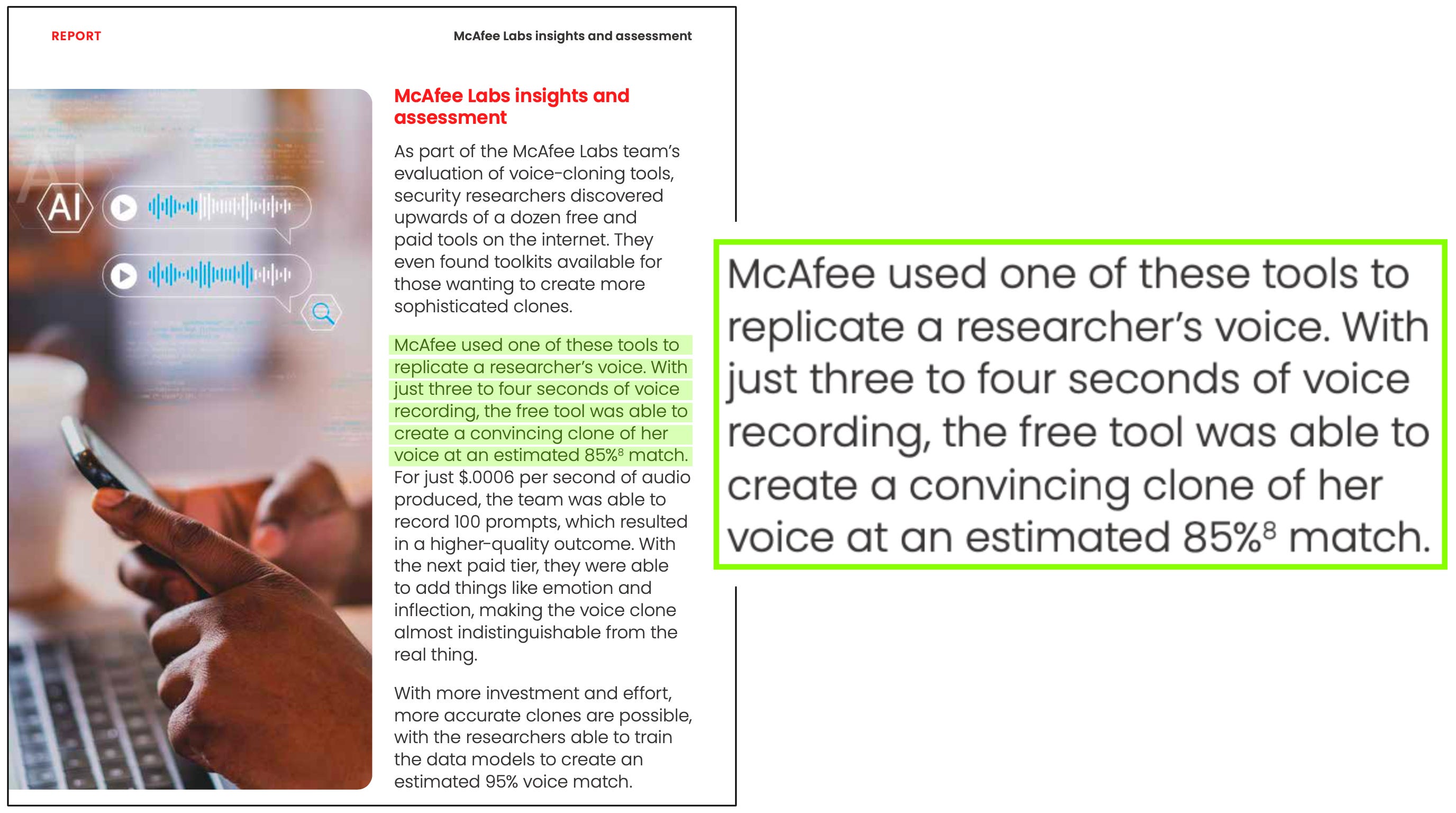
Today, deep learning algorithms can replicate a human voice’s pitch, tone, accent, and emotional nuances with astonishing fidelity using only a tiny audio sample. According to McAfee’s 2023 research on artificial impostors, scammers often need just three seconds of your voice, which can be easily pulled from a TikTok clip, Instagram Reel, YouTube video, or voicemail, to generate a clone rated as 85% indistinguishable from the original. With more samples or refinement, accuracy climbs even higher.
Armed with this vocal disguise, criminals deploy highly targeted emotional attacks that bypass rational thinking and strike directly at our protective instincts.
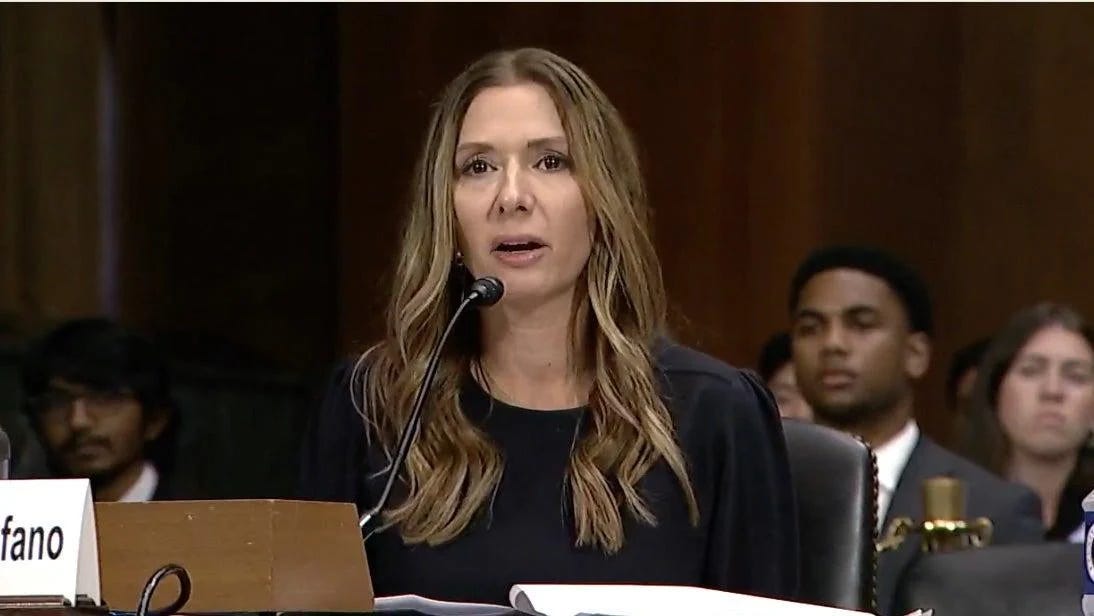
A harrowing real-world example comes from Arizona mother Jennifer DeStefano. In 2023, she testified before the U.S. Senate Judiciary Committee about receiving a call from an unknown number. She heard her 15-year-old daughter sobbing, “Mom, I messed up,” followed by a man’s voice demanding ransom and threatening to harm the girl. The AI clone captured not just the voice but the exact inflections and unique crying patterns. DeStefano was convinced it was real, until she confirmed her daughter was safe on a ski trip.
While DeStefano avoided tragedy, many others have not. The Federal Trade Commission (FTC) reported that imposter scams, now amplified by AI voice tools, cost Americans $2.7 billion in losses in a single recent year.
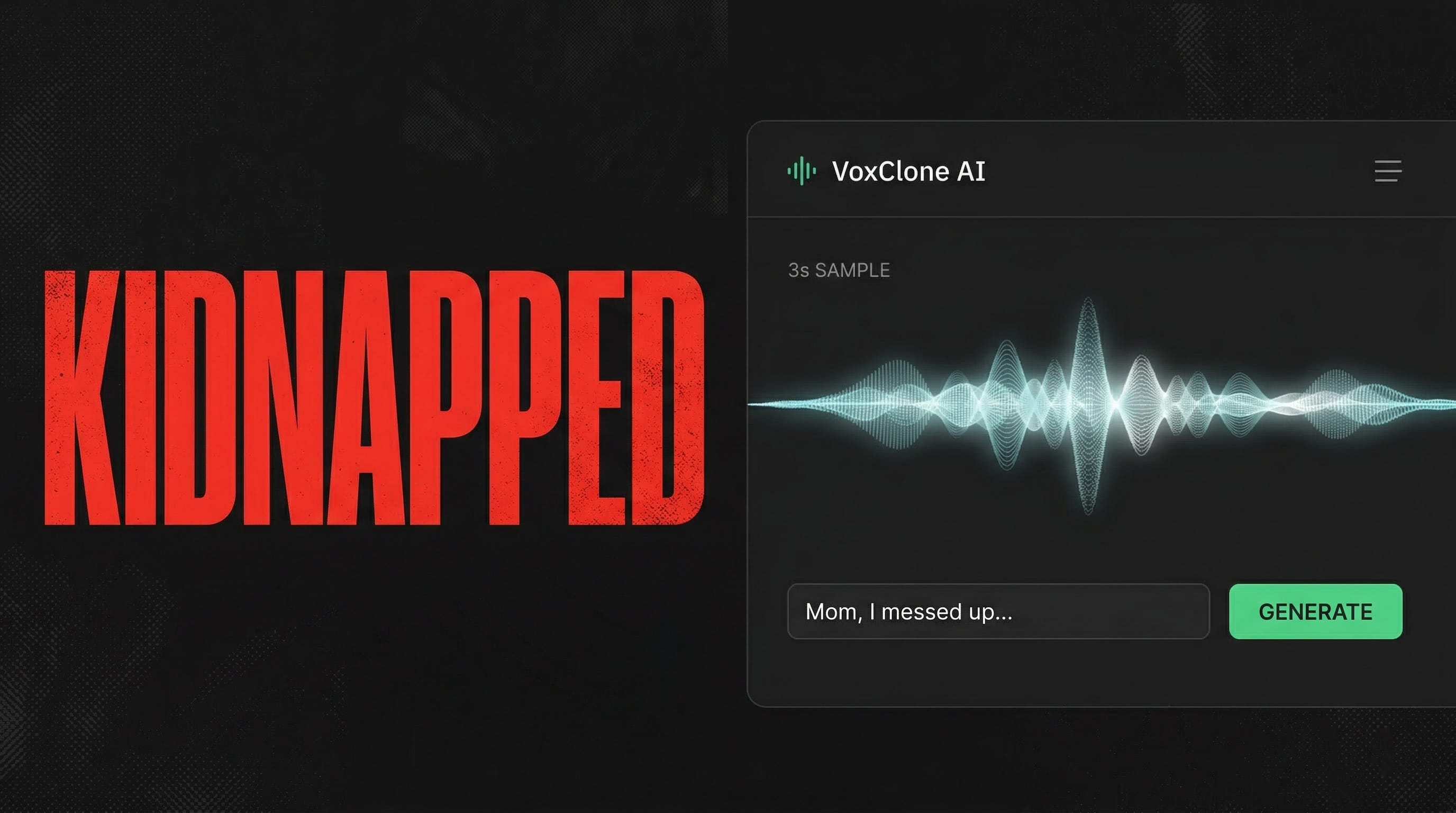
These attacks work because they hijack deep evolutionary psychology: the urgent cry of a loved one in distress triggers immediate action. Scammers combine cloned voices with spoofed caller IDs and fabricated emergencies involving accidents, arrests, or kidnappings to create overwhelming panic that short-circuits verification.
If we can no longer reliably trust caller ID or even our own ears when recognizing loved ones, how do we defend ourselves?
The most effective response to sophisticated digital threats is often disarmingly simple and analog. Cybersecurity experts consistently recommend that families establish clear verification protocols before any crisis occurs.
The single most powerful tool is a family safe word or a highly specific personal challenge question. Choose something random or deeply private, like an inside joke, or the name of a childhood pet combined with a memorable detail, or a phrase no outsider (or AI scraping social media) could guess. Share it in person or through secure, in-person means, and agree that in any urgent situation involving money or safety, the safe word must be used correctly.
Additional proven steps include:
Hang up immediately if you receive a frantic demand for money or urgent action. Do not engage.
Never trust caller ID. Scammers routinely spoof numbers.
Call back directly using the contact saved in your phone to verify the story through a known, clean channel. This simple five-second pause breaks the panic cycle and is often enough to stop the scam.
These low-tech habits work because they force the interaction out of the scammer’s controlled, emotionally charged script and into verifiable reality.
AI voice cloning has transformed a once-futuristic concept into a billion-dollar threat by weaponizing our most instinctive emotional reactions, as Jennifer DeStefano and countless others have experienced. Yet protection remains accessible: simple analog defenses like family safe words and strict verification habits can neutralize even the most convincing digital deception.
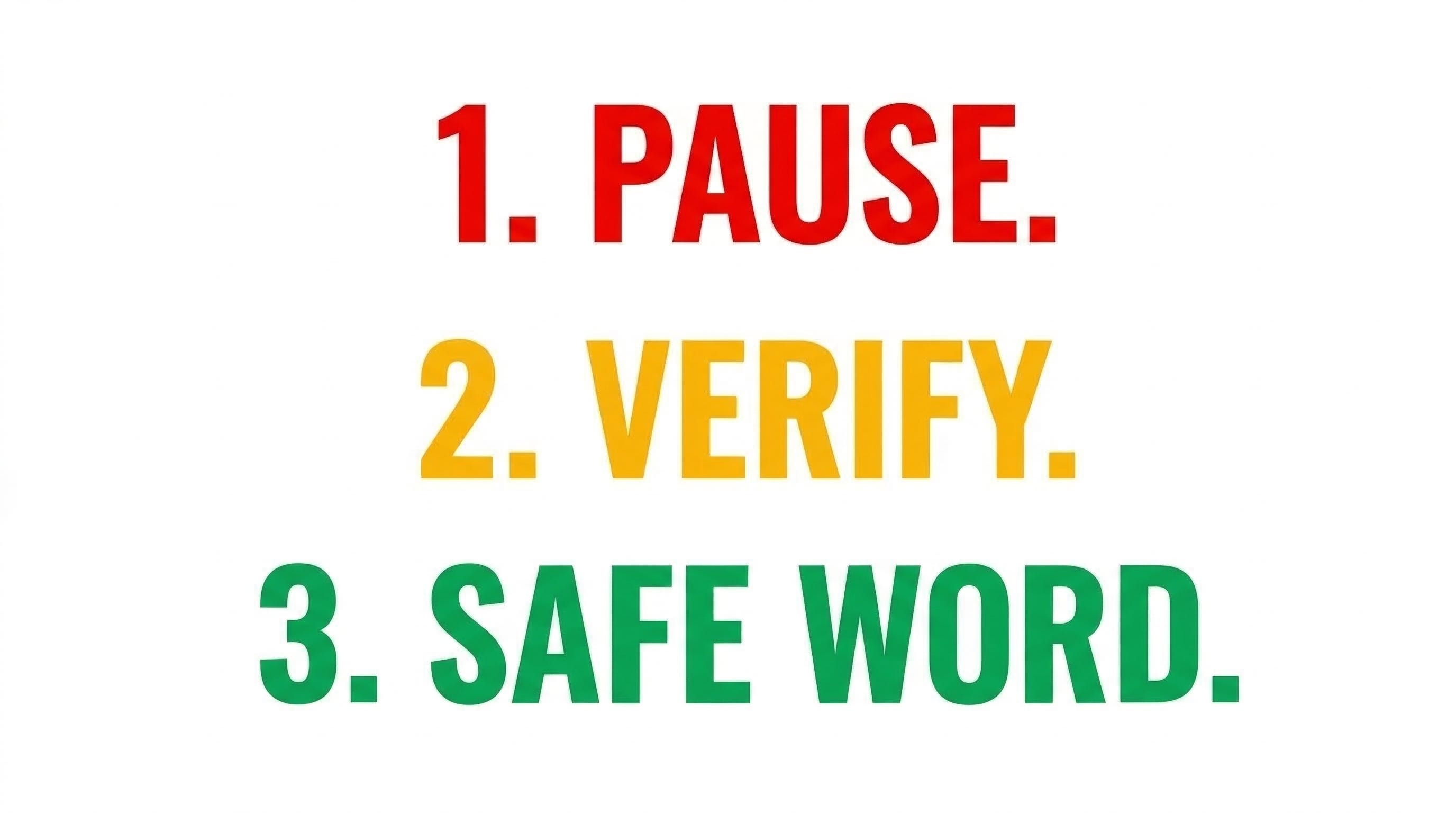
For generations, we lived by “seeing is believing” and trusted that a familiar voice meant safety. In the age of AI, we must adopt a new rule: pause, verify, and never let your ears override your common sense.
Implement these protocols with your family today. Share this information with friends and loved ones. The technology will only grow more sophisticated, but human vigilance grounded in preparation and skepticism remains our strongest defense. Stay informed, stay cautious, and stay safe.
